
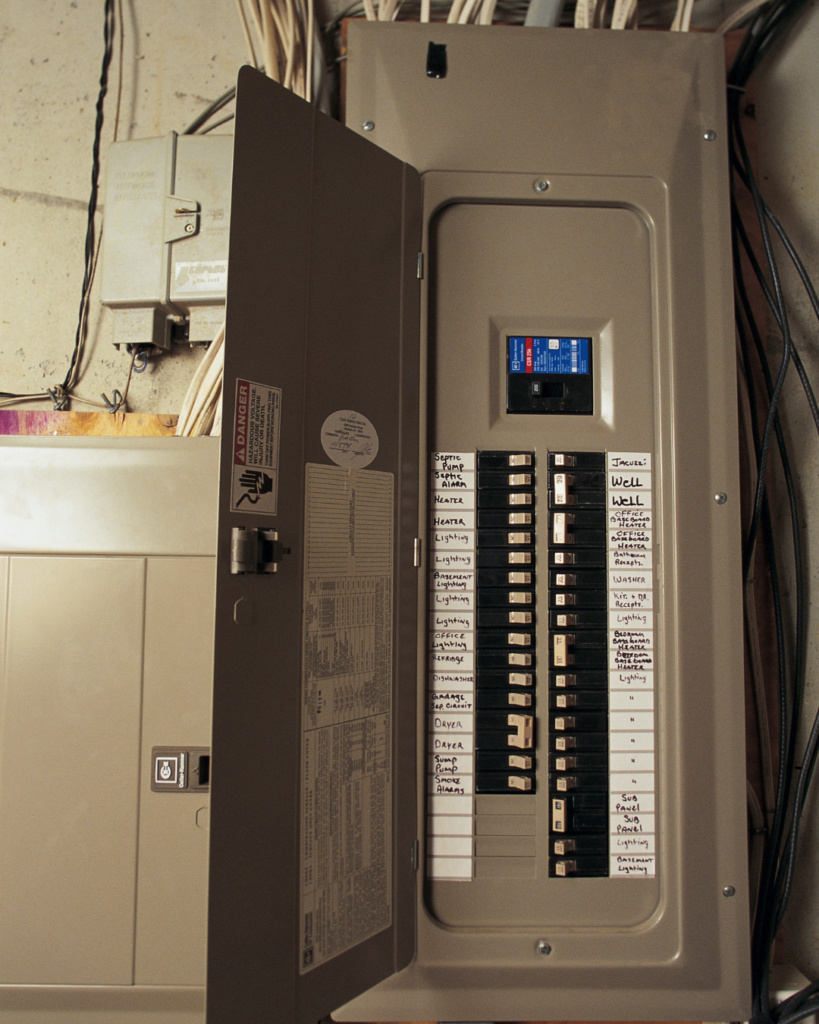
Modern homes rely on electricity more than ever before. From air conditioning and electric heating to electric vehicle charging stations and smart lighting, today’s electrical demand far exceeds what many older homes were designed to handle. If your electrical panel is undersized, it can strain your power supply, compromise safety, and limit your ability to upgrade your home.
Understanding electrical panel sizing is a critical step in protecting your home’s wiring, appliances, and long-term energy use.
Why Electrical Panel Size Matters More Than Ever
Your electrical panel-sometimes called a distribution board-is responsible for safely distributing power from the electrical grid throughout your home. It regulates voltage, controls circuit breakers, and protects wiring from overloads using ampere-rated breakers and fuses.
When a panel lacks sufficient amp service, it struggles to support today’s electrical load, especially with modern electrification trends like heat pumps, electric water heating, EV charging, and high-efficiency HVAC systems.
Most homes today require a panel that can safely manage:
- High-watt major appliances
- Central air conditioning and heating systems
- Electric vehicle charging stations
- Lighting, outlets, and small appliance circuits
- Future electrical service expansions
Common Signs Your Electrical Panel Is Too Small
Frequent Circuit Breaker Trips
If your circuit breaker trips regularly, it’s often because the panel cannot handle the electrical load placed on it. This is especially common when multiple appliances operate at once, pulling more power than the panel’s ampacity allows.
Flickering or Dimming Lights
Lights that dim when the air conditioning, heat pump, or microwave turns on are a sign of voltage drops. This indicates the panel is struggling to distribute power efficiently across circuits.
Limited Panel Capacity
If there’s no room to add new breakers, your panel cannot support additional wiring for renovations, charging stations, or new appliances. This often leads homeowners to delay needed upgrades or rely on unsafe workarounds.
Outdated Fuse or Low-Amp Panels
Panels rated for 60-100 amp service were common decades ago but are rarely adequate today. Fuse-based systems and older panels often fail to meet National Electrical Code requirements and lack modern safety features.
Excessive Use of Power Strips or Extension Cords
Over-reliance on extension cords may indicate that your electrical service was not designed to support current usage. This can create heat buildup at outlets and increase fire risk.
Buzzing Sounds, Heat, or Physical Damage
A buzzing panel, warm breakers, discoloration, or melted wire insulation are warning signs of overheating. These conditions require immediate electrical panel repairs or replacement to prevent serious hazards.
Understanding Electrical Panel Capacity and Load
- To get a basic idea of your panel’s capacity:
- Locate the main circuit breaker labeled “Main.”
The number listed (such as 100, 150, or 200) indicates the panel’s ampere rating.
In general:
- 100 amps: Often insufficient for modern homes
- 150 amps: Moderate capacity, may limit upgrades
- 200 amps: Current standard for residential electrical panel services
A licensed electrician can perform a full electrical load calculation, evaluating watt usage, voltage demands, power factor, and future electrification plans to determine whether a panel upgrade is needed.
Why Panel Upgrades Are Not DIY Projects
Electrical panel upgrades involve far more than swapping breakers. They require:
- Load calculations and system balancing
- Proper grounding and bonding
- Compliance with the National Electrical Code
- Coordination with the electrical grid and utility provider
- Safe handling of live power supply connections
Improper wiring, undersized breakers, or incorrect voltage connections can lead to equipment damage, electrical fires, or failed inspections.
When to Call a Professional Electrician
You should contact a licensed electrician if:
- Breakers trip frequently or won’t reset
- You plan to install an electric vehicle charger, heat pump, or major appliance
- You notice heat, burning smells, or buzzing from the panel
- Your home relies on outdated fuse-based systems
- You are unsure whether your panel can continue supporting future energy needs
Professional troubleshooting ensures your system remains safe, compliant, and reliable.
FAQ: Electrical Panel Size and Upgrades
1. Can an undersized panel damage appliances?
Yes. Inconsistent voltage and overloaded circuits can shorten the lifespan of appliances and sensitive electronics.
2. Is a panel upgrade necessary for EV charging stations?
Often, yes. Electric vehicle chargers draw significant power and usually require a dedicated circuit with sufficient ampacity.
3. How does panel size affect heating and cooling systems?
Electric heating, heat pumps, and air conditioning systems place high demands on electrical service and often require upgraded panels.
4. Will upgrading my panel reduce energy issues?
A properly sized panel improves power distribution, reduces overheating, and allows systems to operate more efficiently.
5. How long does electrical panel replacement take?
Most residential electrical panel replacements are completed within one day, though inspections and coordination may add time.
Schedule an Electrical Panel Evaluation with Firefly Electrical
If your electrical panel is limiting your home’s safety or ability to support modern power demands, Firefly Electrical can help. Our licensed electricians provide expert electrical panel services, including inspections, electrical panel repairs, and complete electrical panel replacement when needed.
Contact Firefly Electrical today to schedule a professional evaluation and ensure your home’s electrical service is ready for today-and the future.