
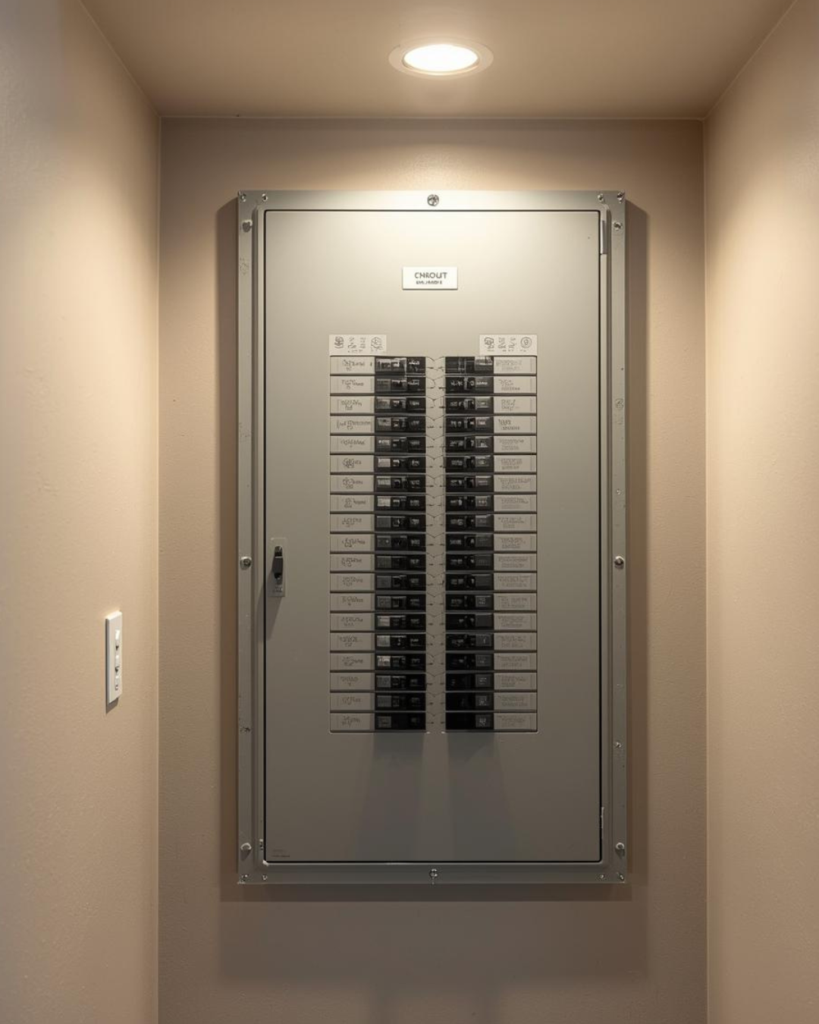
If your home is experiencing frequent breaker trips, limited capacity, or you’re planning major upgrades, you may need a Residential Electrical Panel Replacement in Lakewood CO. For many homeowners, the biggest concern isn’t whether they need a panel upgrade—it’s understanding what actually happens during the process.
Your electrical panel plays a critical role in distributing electricity from the electrical grid into your home. When it becomes outdated or undersized, it can no longer safely manage modern electrical loads. Replacing it improves safety, reliability, and prepares your home for continued electrification.
Below is a step-by-step overview of what to expect.
Why Electrical Panel Replacement Becomes Necessary
Your electrical panel controls how electricity flows through your home’s electrical wiring. It houses the main circuit breaker and individual breakers that regulate power to each circuit. When a panel no longer provides sufficient amp service, it can struggle to support today’s appliances, HVAC systems, and additional electrical demands.
Homes built decades ago were often designed with 60-amp or 100-amp service. Today, most modern households require 200 amps to safely power air conditioning, electric heating systems, upgraded kitchens, EV chargers, and home offices.
A panel upgrade ensures your home can safely distribute electricity without overloading wires, overheating breakers, or risking fire hazards.
Step-by-Step: What Happens During Panel Replacement
- Inspection, Load Evaluation, and Permitting
- Checking your existing amp rating
- Reviewing circuit breaker capacity
- Inspecting electrical wiring and wire condition
- Identifying overloaded circuits or outdated fuse systems
- Temporary Power Shutoff
- Removal of the Existing Panel
- Installation of the New Electrical Panel
- Grounding and Safety Connections
- Power Restoration and System Testing
The process begins with a licensed electrician evaluating your current service. This includes:
Because a panel connects directly to your home’s main service line from the electrical grid, permits are required. Firefly Electrical handles the permitting process to ensure full compliance with Lakewood regulations and safety standards.
On installation day, your home’s electricity will be shut off. This is necessary to safely disconnect the old panel and connect the new one. In some cases, coordination with the utility provider is required to disconnect and reconnect service.
Most residential panel replacements take approximately 6–8 hours. You should plan for a full day without power.
Once power is safely disconnected, the electrician carefully labels each circuit. This ensures proper reconnection later and avoids confusion between switches, outlets, lighting circuits, and major appliance lines.
The old circuit breakers are removed, and wiring—including feeder wires, neutral wires, and ground connections—is disconnected. If the home has an outdated fuse box or aging components, those are fully removed at this stage.
The new panel is securely mounted and prepared for reconnection. Many homeowners choose upgrading to 200-amp service to accommodate current and future needs.
New circuit breakers are installed based on proper electrical panel sizing calculations. If any wires are too short or improperly routed, they are safely extended and reorganized to meet current code standards.
This stage ensures your panel upgrade supports both your existing electrical load and future expansion.
Proper grounding is essential. The electrician verifies that the panel is correctly bonded and grounded to prevent voltage irregularities and protect your home from electrical faults.
All wires are carefully secured, and each connection is checked to ensure safe distribution of electricity throughout the home.
After installation, service from the electrical grid is restored. Each circuit breaker is tested individually to confirm that switches, outlets, lighting, and major appliances function correctly.
Finally, a city inspection is typically required to confirm the work meets safety codes and electrical standards.
Will Additional Upgrades Be Needed?
In some homes—particularly older properties—panel replacement may reveal additional concerns such as:
- Outdated electrical wiring
- Improper grounding
- Circuits that no longer meet modern code
- Insufficient amp capacity for future electrification
If these issues are identified, your electrician will explain recommended solutions before proceeding.
Preparing for Installation Day
To minimize disruption:
- Unplug sensitive electronics
- Plan for refrigeration and heating interruptions
- Ensure clear access to the electrical panel
While a temporary power outage may be inconvenient, the long-term benefits of safe, reliable electricity and increased capacity make it worthwhile.
FAQ: Residential Electrical Panel Replacement
Q1.How long does a residential electrical panel replacement take?
Most projects are completed within 6–8 hours, though permitting and inspections may add additional scheduling time.
Q2.Will my power be completely off during the process?
Yes. Electricity must be disconnected for safety while the old panel is removed and the new one is installed.
Q3.Can I upgrade from 100 amps to 200 amps?
In many cases, yes. A licensed electrician will determine whether your current service line from the electrical grid supports a higher amp rating.
Q4.What’s the difference between a fuse box and a breaker panel?
A fuse system uses replaceable fuses to protect circuits, while a circuit breaker panel uses resettable breakers. Modern breaker panels offer improved safety and convenience.
Q5.Is panel replacement required for home upgrades?
If you’re adding high-demand appliances, EV chargers, or expanding your home, upgrading your panel may be necessary to safely support the increased electrical load.
Schedule Your Panel Upgrade with Firefly Electrical
If your home’s electrical panel is outdated, undersized, or showing signs of strain, it may be time to consider a Residential Electrical Panel Replacement in Lakewood CO.
Firefly Electrical provides professional panel upgrade services designed to improve safety, increase capacity, and ensure your home’s electricity continues to operate reliably. Our licensed electricians handle permitting, installation, and inspections from start to finish.
Contact Firefly Electrical today to schedule an evaluation and ensure your home’s electrical service is prepared for modern demands and future electrification.