
Colorado does not always ease into fall. One week can still feel warm and dry, and the next can bring colder weather, rain, wind, or early snow in the high country.
That seasonal shift is a good reminder for homeowners in Lakewood, Evergreen, Conifer, Morrison, Golden, and the west Denver foothills to pay attention to electrical issues they may have ignored during the summer. A breaker that keeps tripping, an outlet that feels warm, flickering lights, buzzing switches, or damaged outdoor electrical can become more concerning as the weather changes and the home starts working harder.
Not every electrical issue is an emergency, but some warning signs should not wait. The goal is not to panic every time a light flickers or a breaker trips once. The goal is to know which signs point to something more serious and when it is safer to call an electrician.
Quick Answer: Signs an Electrical Problem May Be an Emergency
Some electrical problems can wait for a scheduled repair, but others should be checked right away. You should call an electrician if you notice:
- a burning smell near an outlet, switch, fixture, appliance, or electrical panel
- sparks, smoke, scorch marks, or melted plastic
- outlets or switches that feel hot to the touch
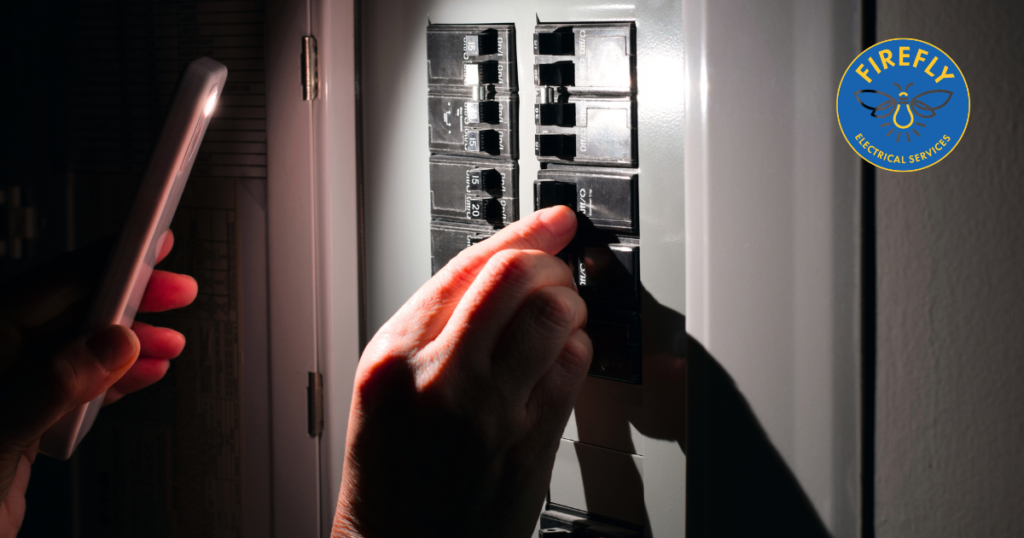
- a breaker that keeps tripping or will not reset
- buzzing sounds from outlets, switches, lights, or the panel
- flickering lights across multiple rooms
- partial power loss inside the home
- outdoor electrical damage after rain, wind, snow, or falling branches
- unsafe or questionable generator connections
If you are not sure whether the issue is urgent, it is safer to stop using the affected area and call a licensed electrician. Electrical problems involving heat, burning smells, repeated breaker trips, or damaged outdoor wiring should not be ignored.
Why Electrical Problems Can Feel More Urgent When Colorado Weather Changes
Late September and early fall are usually when Colorado homeowners start paying closer attention to weather again. Cooler nights, rain, wind, and early snow at higher elevations are all reminders that winter is coming. CDOT also reminds fall travelers that high-elevation passes can see early autumn snowstorms, and the National Weather Service Denver/Boulder forecast discussion is a good resource for watching rain, cold fronts, and mountain snow potential as the season changes.
Inside the home, that same seasonal shift can bring electrical issues back into focus. Families spend more time indoors. Exterior lights get used earlier in the evening. Space heaters, garage tools, home office equipment, and appliances may put more demand on older circuits. Outdoor outlets and fixtures also have to deal with moisture, wind, and changing temperatures.
If your home already had a few warning signs over the summer, fall is a smart time to take them seriously. Firefly Electrical Services recently covered broader seasonal preparation in our guide to Colorado power outage preparation, but this article is focused on a more immediate question: when does an electrical problem need fast attention?
Burning Smells Should Always Be Taken Seriously
A burning smell near an outlet, switch, light fixture, appliance, or electrical panel should never be brushed off. Ever. Electrical heat can come from loose connections, overloaded circuits, damaged wiring, failing devices, or equipment that is no longer working safely.
If you smell burning and cannot clearly trace it to something normal, like food on the stove, treat it as a warning sign. Turn off the affected device or circuit if it is safe to do so, avoid using that area, and call an electrician.
Firefly’s electrical repair services are built around finding the source of the problem, not guessing. A burning smell may have a simple explanation, but it is not something homeowners should troubleshoot casually when wiring, outlets, or the panel may be involved.
Warm Outlets, Hot Switches, or Scorch Marks Are Warning Signs
Outlets and switches should not feel hot to the touch. A little warmth from certain dimmer switches can be normal, depending on the device and load, but heat that feels unusual, grows worse, or comes with discoloration should be checked.
Scorch marks, melted plastic, a burning odor, or a device that feels hot to the touch can point to heat buildup inside the electrical connection. In older homes, that may also raise questions about the condition of the wiring, the age of the device, or whether the circuit is being asked to do more than it should.
Firefly Electrical’s outlet and switch services can help when a device is loose, damaged, outdated, or no longer working safely. If the issue points to something deeper in the wall or circuit, our wiring and rewiring services can help determine what needs to be repaired or updated.
This is especially important before colder weather moves in. A questionable outlet or switch may not seem urgent on a mild day, but it is not something you want to discover again when the house is full of holiday lights, heaters, guests, or winter electrical demand.
A Breaker That Keeps Tripping Needs Attention
A circuit breaker is designed to protect your home. If it trips once, it may simply be doing its job because too many things were running on the same circuit. That does not always mean there is an emergency.
With that said, repeated tripping is a different story.
If the same breaker keeps shutting off, or if it trips again shortly after being reset, something is wrong. The circuit may be overloaded, a device may be failing, wiring may be damaged, or the panel may need a closer look. Continuing to reset the breaker without understanding the cause can create more risk.
This is a common issue in older Colorado homes, especially when modern usage has outgrown the original electrical layout. Home offices, garage equipment, kitchen appliances, entertainment systems, EV charging plans, and backup power equipment can all change what the home needs from its panel and circuits.
Our electrical panel upgrade services can help homeowners understand whether the current panel still fits the way the home is being used. The answer is not always a major upgrade, but repeated breaker problems should not be ignored.
Flickering Lights Can Be Simple, or They Can Point to a Bigger Issue
One flickering bulb may not mean much. The bulb may be loose, the fixture may be aging, or the issue may be isolated to one light.
Flickering across multiple rooms deserves more attention. Lights that dim when appliances start, flickering that happens repeatedly, or lights that change brightness throughout the home may point to a loose connection, overloaded circuit, panel issue, or service-related concern.
This is the kind of problem homeowners often notice more as fall arrives. Lights come on earlier, outdoor lighting gets used more often, and the home may be drawing more power during the evening as we move towards winter. If the flickering is new, widespread, or getting worse, it is worth having an electrician take a look.
The safest path is to avoid guessing. Firefly Electrical Services can check the circuit, fixture, panel, and related wiring to find out whether the issue is minor or a sign of something that needs repair.
Buzzing Sounds Should Not Be Ignored
Electrical systems are not supposed to buzz loudly. A faint sound from certain equipment may not be a problem, but buzzing from an outlet, switch, light fixture, breaker, or panel should be checked.
Buzzing can point to loose wiring, failing devices, overloaded circuits, or arcing. It may also show up with other warning signs, such as warmth, flickering, tripping breakers, or a burning smell. When those signs appear together, the situation becomes more urgent.
If you hear buzzing from a switch, outlet, or panel, avoid using that area until it has been checked. Turning off the affected circuit may be appropriate if it is safe and you know which breaker controls it, but do not remove covers or try to inspect wiring yourself.
Storms, Moisture, and Outdoor Electrical Problems Can Become Urgent
Rain, snow, wind, and freeze-thaw cycles can make outdoor electrical problems more noticeable. A cracked outlet cover, loose exterior fixture, damaged conduit, or unreliable garage outlet may seem like a small issue during dry weather, but moisture changes the picture quickly.
This matters for homes across the west Denver area, and it can be especially relevant in foothills communities like Evergreen, Conifer, and Morrison. Weather exposure, trees, slope, older homes, and longer service runs can all make electrical planning more important. We wrote more about those local considerations in our recent article on electrical challenges unique to foothills homes in Colorado.
If outdoor outlets, exterior lights, garage power, shed wiring, or patio electrical are damaged or unreliable, it is better to address those issues before the weather gets worse. Firefly’s electrical installation services can help with safer exterior electrical setups, new circuits, lighting, and other improvements that fit the home.
Partial Power Loss May Need a Professional Look
Losing power to one room, one wall, or one section of the home can be confusing. It may be a tripped breaker, a GFCI outlet that needs to be reset, or an issue with a specific device. It can also point to a damaged circuit, loose connection, or problem that needs professional attention.
If part of the home loses power and the issue does not resolve with a normal breaker or GFCI reset, do not keep forcing it. The same is true if the power loss comes with a burning smell, buzzing, heat, flickering, or visible damage.
A partial outage inside the home is different from a utility outage. If your neighbors have power and only part of your home is affected, an electrician can help determine whether the issue is inside the electrical system.
For broader utility outages, Xcel customers can use the Xcel Energy Storm Center to report an outage and check status updates. If the issue appears to be inside your home, Firefly can help with the repair side of the problem.
Generator and Backup Power Issues Should Be Handled Carefully
Generators and backup power systems can be extremely useful during Colorado outages, but they need to be installed and used safely. Unsafe generator connections, overloaded circuits, backfeeding, poor transfer equipment, or DIY wiring can create serious hazards for the home and for utility workers.
Ready.gov’s power outage guidance includes generator safety reminders for homeowners, and it is a helpful resource for basic outage preparation. From the electrical side, the important point is simple: a generator should never be treated like a casual plug-in solution for the whole house.
And when you need true backup power options, our generator installation and repair services help homeowners think through transfer equipment, load planning, panel compatibility, and safe installation. If your generator setup does not feel right, or if you are unsure whether it was installed correctly, it is better to ask before the next outage.
When It Is Safer to Call an Electrician
There are plenty of minor electrical issues that can be scheduled without panic. A single burned-out bulb, a decorative fixture replacement, or a planned outlet upgrade may not require immediate service.
Other warning signs deserve faster attention. Call an electrician if you notice a burning smell, sparks, hot outlets, scorch marks, repeated breaker trips, buzzing sounds, partial power loss, storm-damaged outdoor electrical, or flickering that affects more than one room.
The right next step may be a repair, a panel check, outdoor electrical cleanup, wiring evaluation, or a more detailed safety inspection. The important thing is not to talk yourself out of calling when something feels unsafe; this isn’t the time to be a home repair hero!
An electrical inspection can also be a good option if the home has several small issues and you are not sure how serious they are. That is common in older homes, recently purchased homes, remodeled homes, and foothills properties where weather exposure plays a bigger role.
Local Electrical Help for Colorado Foothills and Front Range Homes
Firefly Electrical Services helps homeowners in Evergreen, Conifer, Morrison, Lakewood, Golden, Denver, and nearby west Denver communities with electrical repair, safety concerns, panel issues, outlets, switches, wiring, outdoor electrical, generator planning, and inspections.
Colorado weather has a way of making small home issues feel more urgent. Colder nights, rain, wind, and early-season snow in the high country are all good reminders to pay attention before a minor issue becomes a bigger problem.
If something smells hot, feels warm, buzzes, trips repeatedly, or stops working in a way that does not seem normal, it is better to get a clear answer than to wait and hope it goes away.
>>> Contact Firefly Electrical Services for Help
FAQs About Electrical Emergency Signs
What are the signs of an electrical emergency?
Common electrical emergency signs include burning smells, sparks, hot outlets, scorch marks, repeated breaker trips, buzzing sounds, partial power loss, and storm-damaged outdoor electrical. If something feels unsafe, stop using the affected area and call an electrician.
Is a tripping breaker an emergency?
A breaker that trips once may not be an emergency. A breaker that keeps tripping, will not reset, or trips again right away should be checked by an electrician. Repeated trips can point to overload, damaged wiring, faulty equipment, or a panel issue.
Should I call an electrician if I smell burning?
Yes. A burning smell near an outlet, switch, fixture, appliance, or electrical panel should be taken seriously. Turn off the affected device or circuit if it is safe to do so, avoid using that area, and call an electrician.
Are flickering lights dangerous?
One flickering bulb may be simple. Flickering across multiple rooms, lights dimming when appliances start, or repeated flickering can point to a larger electrical issue. If the problem is new, widespread, or getting worse, it should be checked.
Are warm outlets or switches normal?
Outlets should not feel hot. Some dimmer switches may feel slightly warm depending on the device and load, but unusual heat, discoloration, melting, or a burning smell should be checked right away.
Can storm damage cause electrical problems?
Yes. Wind, rain, snow, falling branches, moisture, and damaged exterior fixtures can all create electrical issues. Outdoor outlets, covers, lighting, garage power, and exposed wiring need to be checked if they appear damaged or stop working after weather moves through.
Does Firefly provide electrical repair in nearby foothills communities?
Yes. Firefly Electrical Services helps homeowners in Evergreen, Conifer, Morrison, Lakewood, Golden, Denver, and nearby areas with electrical repair, panel concerns, outlets, switches, wiring, generator-related electrical work, and safety inspections.