
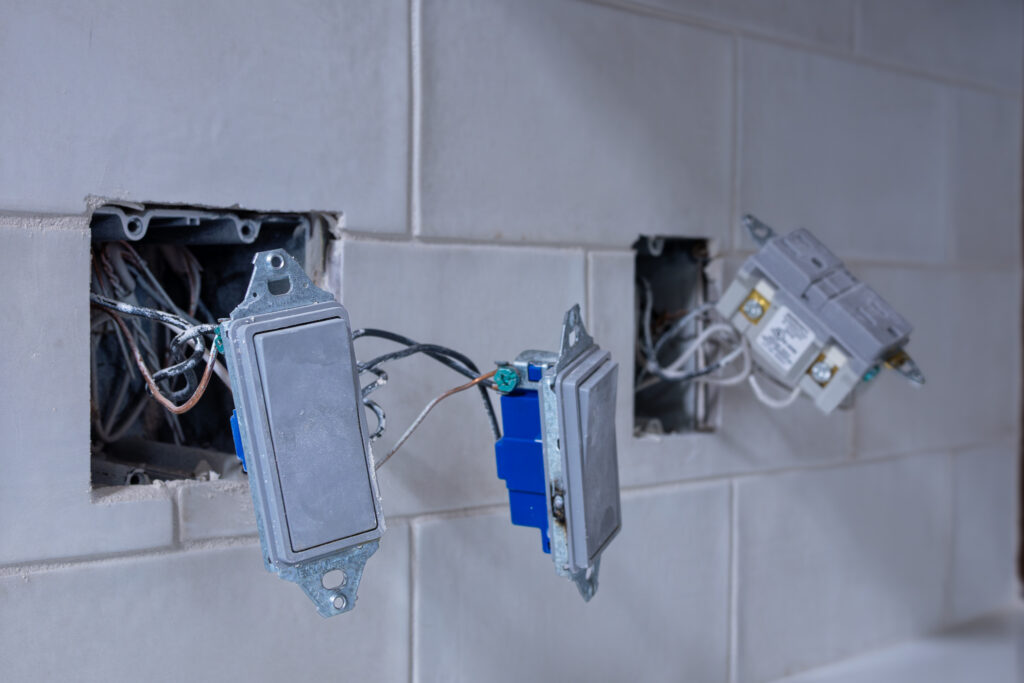
Mountain homes in Colorado come with a lot to love. The views are better, the air feels a little different, and there is something special about living in the foothills. But if you own a home in this part of Colorado, you already know those homes do not behave the same way as houses farther east in the flatter parts of the metro.
We see it all the time at Firefly Electrical Services and across the Front Range.
Homes in the foothills often deal with a different mix of weather, elevation, age, layout, and power demand than homes in flatter suburban neighborhoods. Many were built decades ago. Some have had multiple additions over the years, and others sit in areas where wind, snow, trees, and long utility runs can all affect how the electrical system performs.
That is a big part of why electrical work in mountain and foothills homes should never be treated like a one-size-fits-all service call.
Our team has worked in west Denver, Evergreen, Conifer, Morrison, and the foothills for years, and that local experience matters. Firefly also grew out of the company many local homeowners knew as Tesla Electric Company, so this is not new territory for us.
We know the housing mix, the weather patterns, and the kinds of electrical problems that tend to show up in these areas.
Older Wiring Is More Common Than People Realize
A lot of mountain-area homes have character. That is often another way of saying they also have older electrical systems.
It is not unusual to walk into a home with original wiring, outdated panels, aging outlets, older light fixtures, or a patchwork of upgrades done over time. In some homes, owners update one room while the rest of the house still runs on an older setup. In others, a remodel happened years ago, but no one adjusted the service size to support the added load.
That can create problems like:
- lights that dim when appliances turn on
- breakers that trip more often than they should
- outlets that feel loose or warm
- limited capacity for modern appliances and devices
- hidden wiring concerns that do not show up until something stops working
A house that worked fine twenty years ago may not be ready for how people live now. Between home offices, induction ranges, hot tubs, garage upgrades, EV chargers, and all the normal electronics of daily life, the average home is asking a lot more from its electrical system than it used to. In many foothills homes, that raises bigger questions about wiring and rewiring for older Colorado homes and whether the system really supports the way the household lives today.
Weather Hits Harder in the Foothills
Mountain and foothills weather is not gentle on homes. We know, kind of an understatement.
Along the western edge of the Denver metro and higher up into the hills, you can go from sunshine to wind to heavy snow in a hurry. Branches come down, moisture finds its way into older exterior equipment, and wide temperature swings can be rough on electrical components over time. Even when outages are brief, repeated weather-related interruptions can still put stress on parts of the system.
That is one reason homeowners in the foothills often start noticing electrical concerns after storms, heavy wind, or colder winter stretches. Sometimes it is obvious, like part of the home losing power. In other cases, it is more subtle, like exterior lighting failing, GFCI outlets acting up, or a breaker that suddenly starts tripping more often than it used to.
The challenge is that weather-related issues can look small at first. A porch light that flickers or an outdoor outlet that stops working may seem minor, but it can also point to moisture intrusion, damaged connections, or components that are no longer holding up the way they should. That is often when homeowners call for a closer look and end up needing electrical repair for storm-related or recurring issues.
Long Service Runs and Rural Layouts Can Complicate Things
A lot of foothills properties are simply laid out differently than homes in denser neighborhoods.
You may have a detached garage, workshop, guest house, barn, well equipment, gate system, outdoor lighting, or a long driveway with powered features. The house itself may be farther from the road or utility connection point, which changes the electrical conversation in a very real way.
Longer runs, multiple structures, and piecemeal additions over time can all add complexity. We sometimes find that a system technically works, but it is not organized in a way that is easy to maintain, expand, or troubleshoot. In other situations, the setup may have made sense years ago but no longer matches how the property is being used now.
This comes up often in homes that have grown over time. A homeowner may have added a heated shed, upgraded the garage, installed a hot tub, or converted a space for rental or family use. The property evolved, but the electrical backbone did not always keep pace.
Panels in Mountain Homes Are Often Ready for an Upgrade
If there is one issue that shows up again and again in foothills homes, it is panel capacity.
Older homes were built around a much lighter electrical load. Then life changed. Maybe the kitchen was remodeled, the owners added air conditioning, or a car charger and new appliances became part of the mix. In other homes, a basement or outbuilding became usable year-round space. Before long, the panel that used to be enough is working much harder than it was ever designed to.
This is especially common in homes where people are trying to modernize without fully rethinking the electrical system behind the walls.
Panel issues do not always show up dramatically. Sometimes the signs are just annoying enough to ignore:
- breakers are full and there is no room for new circuits
- certain appliances cannot run comfortably at the same time
- nuisance tripping becomes normal
- future upgrades feel impossible without “making it work somehow”
That is where homeowners can get into trouble. Trying to squeeze one more upgrade out of an already stressed panel usually costs more in the long run. In many of these homes, the right next step is looking at electrical panel upgrades for growing power needs instead of trying to stretch an outdated setup even further.
Additions, Remodels, and DIY History Can Leave Surprises Behind
Colorado mountain homes often have a story, and sometimes that story includes decades of changes by multiple owners.
A mudroom becomes a bedroom. Cabins get expanded, basements get finished, garages turn into workshops, and homeowners add new outdoor lighting. Someone installs heaters, extra receptacles, or a generator connection years before the next owner moves in.
Not every older modification is a problem, but earlier work did not always reflect today’s electrical demands, code standards, or long-term safety concerns.
That is one of the most common reasons we recommend a home electrical inspection before remodeling or buying a foothills property.
A good inspection can uncover issues like:
- overloaded or mislabeled circuits
- improper wiring connections
- outdated devices
- unsafe exterior components
- service equipment that no longer fits the property’s needs
A clear understanding now can prevent a lot of frustration later, especially in homes that owners have added onto or transferred multiple times over the years.
Backup Power Starts to Make More Sense in Mountain Areas
Mountain and foothills homeowners tend to think differently about reliability, and for good reason.
In some neighborhoods, losing power for a short time is mostly an inconvenience. In more rural or weather-exposed areas, it can affect heating equipment, refrigeration, pumps, internet access, garage access, and overall comfort much more quickly.
That does not mean every foothills home needs a generator, but it does mean the conversation comes up more often. In homes where outages happen more than once a season, or where the property setup makes even short interruptions a bigger headache, generator installation and backup power planning starts to feel less like a luxury and more like a practical upgrade. Homeowners who want to think more broadly about outage planning should also read our related article on backup generators before storm season in Colorado.
Mountain Homes Deserve a Different Kind of Electrical Conversation
The biggest mistake homeowners make is assuming the same advice applies to every house.
A newer subdivision home in west Denver may have one set of needs. A hillside property in the foothills with older wiring, detached structures, and exposure to wind and snow is a different animal altogether. Even homes just a few miles apart can have very different electrical needs depending on age, layout, service history, and location.
One more example of why local experience matters so much.
At Firefly Electrical Services, we are not guessing at what foothills homes deal with. Years of local work have given us firsthand experience with these properties and the problems that tend to come with them. We know the difference between a quick fix and a real long-term solution, and we know most homeowners are not looking for a sales pitch. They want somebody to show up, explain what is going on clearly, and help them make a smart decision for the house they actually live in.
That is how we like to work, whether someone needs general guidance, a repair, or a trusted local electrician in Evergreen or Morrison.
When to Schedule an Electrical Safety Inspection
If you live in the foothills or nearby west-Denver communities, it may be time to schedule an inspection if:
- your home is older and has not had a recent electrical review
- you are seeing flickering lights or recurring breaker trips
- you are planning a remodel or major appliance upgrade
- you are adding a hot tub, workshop, EV charger, or backup power
- you recently bought a mountain or foothills property
- your panel feels maxed out or outdated
- you want peace of mind before storm season or heavy summer use
Sometimes the safest and most cost-effective move is not a major project right away. Sometimes it is simply getting a clear picture of what you have, what is still in good shape, and what should move up the priority list.
Schedule a Safety Inspection with Firefly Electrical Services
Mountain homes are different. The electrical systems inside them are often different too.
If your foothills home has older wiring, an aging panel, recurring electrical issues, or you are planning upgrades and want honest guidance before moving forward, Firefly Electrical Services is here to help.
We serve homeowners across the foothills and the west side of the Denver metro with friendly service, experienced electricians, and practical recommendations that fit the home, not just the job ticket. For many homeowners, the best place to start is a professional electrical safety inspection that helps identify what needs attention now, what can wait, and whether panel upgrades, rewiring work, or targeted electrical repairs should be part of the plan.
Give us a call or reach out below to talk to us about your home’s electrical needs.